Basketball Club Teams San Diego Helping Athletes Compete with Purpose
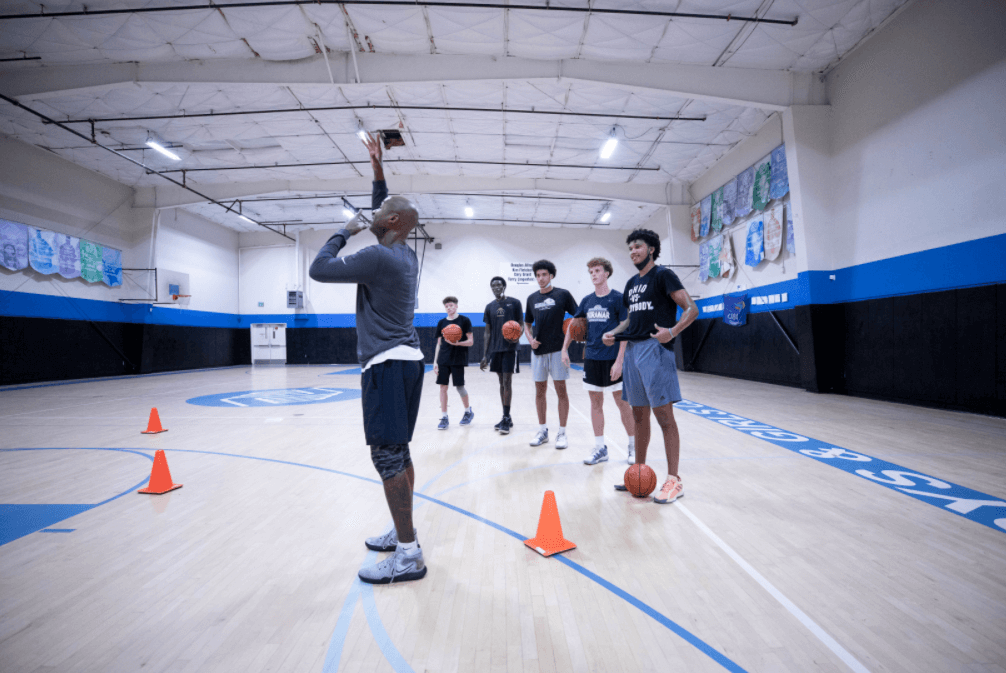
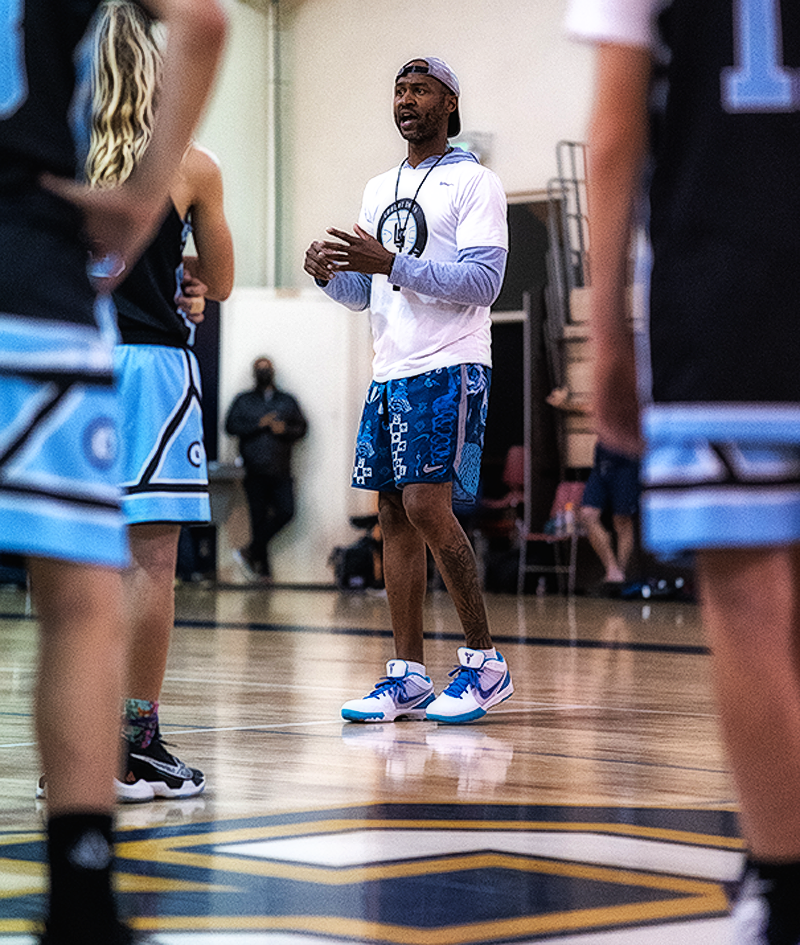
San Diego has never had a shortage of basketball talent. Walk into a high school gym in the winter, a park run in June, or a weekend tournament in the spring, and you will see the same thing, serious athletes trying to separate themselves in a crowded field. Some are chasing varsity roles. Some want a real college recruiting path. Some simply need the right environment to stop drifting and start improving.
That is where Basketball Club Teams San Diego families talk about most often come into focus. At their best, club programs do far more than stack wins on a weekend schedule. They give athletes structure, accountability, and competition that means something. They create a setting where players are expected to prepare, compete, recover, communicate, and carry themselves like serious students of the game.
The key phrase there is “at their best.” Club basketball can be powerful, but it is not automatically productive. I have seen athletes make huge leaps in one spring because they joined a team with clear standards and a coaching staff that taught details every practice. I have also seen talented players spend a full season in the wrong environment, playing five games a weekend, touching the ball six times, and learning almost nothing. Parents paid plenty. The athlete stayed busy. Improvement barely moved.
Purpose is the separator.
Why purpose matters more than exposure alone
Families often enter club basketball with one idea in mind, exposure. That makes sense. San Diego athletes compete in a large market, but college opportunities do not just appear because a player logs tournament miles. Coaches evaluate skill, consistency, decision-making, physical tools, and how a player responds under pressure. Exposure without readiness is just visibility at the wrong time.
A purposeful club environment flips that order. It starts with development and lets exposure follow. If a guard cannot handle pressure, cannot make the simple read off a ball screen, or cannot defend without fouling, no amount of social media graphics will cover that up in front of serious evaluators. The same goes for wings who rely on one move, bigs who run hard but cannot finish through contact, or shooters who lose confidence after one cold quarter.
The strongest programs in San Diego understand that tournament weekends are not the whole product. They are checkpoints. The real work happens in the middle of the week, when players repeat footwork until it holds under fatigue, when coaches correct timing on weak-side rotations, and when athletes learn that effort has to survive frustration.
This is where many athletes mature. Purpose teaches them that competing is not the same as performing for applause. Some of the most important possessions a young player will have are the ones nobody remembers later, sprinting back in transition after a turnover, making the extra pass when a contested shot feels tempting, boxing out when no rebound is guaranteed to come their way. Club basketball, when done well, sharpens those habits.
What makes San Diego a unique basketball environment
San Diego presents an interesting mix. It has enough population and athletic depth to support strong club programs, but it also sits in the shadow of larger recruiting hubs. Los Angeles draws attention. The Inland Empire produces tough, experienced players. National travel circuits often pull the spotlight elsewhere. That can be frustrating for local families, yet it also creates an advantage for players willing to train and compete consistently.
Because San Diego athletes often need to work a little harder for the same recognition, the best local club teams tend to place a premium on discipline. They know they cannot survive on reputation alone. They need athletes who defend, communicate, and execute. In practical terms, that often means San Diego club players learn quickly whether they are coachable or merely talented.
There is another local factor that matters: logistics. San Diego County is spread out, and traffic changes everything. A player living in North County may have a very different experience from a player in Chula Vista or East County when it comes to practice access, strength work, and gym time. That may sound like a small family issue, but over a six-month season it becomes a development issue. Two extra hours in the car, twice a week, can wear down an athlete physically and mentally. It can also chip away at school performance and recovery.
The best program is not always the one with the flashiest social media presence or longest schedule. Sometimes it is the one that gives a committed athlete the highest number of quality reps without burning out the household.
The difference between playing a lot and improving a lot
One of the most common mistakes in youth basketball is confusing volume with progress. More tournaments do not always equal better development. More games do not always lead to smarter decision-making. In fact, athletes who play too much without enough teaching time often reinforce bad habits at speed.
I have watched players come off a packed spring schedule looking busy and accomplished on paper, then struggle with basic reads once high school season begins. Their issue was not effort. It was context. They had been asked to compete constantly without enough guided correction. Their game became reactive. They relied on what felt comfortable, not what would scale as the competition improved.
Purposeful club teams usually strike a healthier balance. They treat practice as the engine. Games become a way to test whether lessons hold. A strong coach will know when a team needs another weekend of competition and when it needs two practices spent almost entirely on spacing, closeouts, and late-clock execution.
For parents trying to judge a program, one useful question is simple: what gets taught here, specifically? If the answer is vague, that tells you something. A real developmental setting can explain what it emphasizes. Maybe guards spend extra time reading help defenders. Maybe posts are trained to screen with physicality and roll with timing. Maybe every player is expected to understand shell defense and weak-side positioning, not just the five starters. Good programs can name the details because they coach the details.
What athletes gain when the culture is right
A strong club culture has a feel to it, and players sense it quickly. Practices begin on time. Coaches are direct. Standards do not change based on who scored last weekend. Players compete hard, but they are not encouraged to chase empty highlights. There is room for confidence, not entitlement.
When athletes spend months in that environment, the benefits extend well beyond a jump shot or vertical leap. They become better teammates because they learn role clarity. They become more resilient because correction is normal, not personal. They become more self-aware because effort and body language are tracked every day, not only when a game is on camera.
The most meaningful growth often shows up in moments that seem ordinary. A bench player stays locked in and is ready when called. A scorer learns to create for others when defenses load up. A post player who used to sulk after missed touches starts dominating rebounding and rim runs because she understands impact is larger than shot count. Those shifts matter. College coaches notice them. High school coaches trust them. Teammates respond to them.
Purpose-driven competition also reduces one of the biggest traps in club basketball, the habit of building identity around status. Travel teams can become a social ranking system if adults allow that to happen. Better programs keep the focus where it belongs, on work, growth, and team standards. That does not make them soft. Usually it makes them tougher.
Choosing among Basketball Club Teams San Diego families are considering
The right fit depends on the athlete, not just the brand name. A skilled eighth grader who needs confidence and reps may need something different from a rising junior trying to earn Division II interest or a varsity starter aiming for a national circuit. Families should evaluate programs with both honesty and patience.
A few questions help cut through the noise:
- How much actual teaching happens in practice, beyond scrimmaging?
- What is the coach’s plan for player development by position and age?
- How deep is the roster, and what does that mean for meaningful minutes?
- What tournaments fit the athlete’s current level and goals?
- How does the program communicate about roles, expectations, and recruiting?
Those questions may sound basic, but they reveal a lot. If a coach cannot explain roster philosophy, families should pay attention. If every player is promised exposure without a realistic discussion of fit and timeline, that is a warning sign. If the program plays a heavy travel schedule but has limited practice time, athletes may be paying for motion rather than progress.
Fit also includes temperament. Some athletes respond well to hard, demanding coaching. Others need clear instruction delivered with a steadier hand. Neither style is automatically right or wrong, but the mismatch can slow growth. A player who shuts down under constant public criticism may stop taking risks. A player who has always coasted may need a coach who refuses to let talent excuse poor habits.
The parent role, supportive but not controlling
Parents matter more than many programs admit. Not because they should coach from the stands, but because they shape the athlete’s emotional climate before and after every event. A player who gets interrogated after each game often starts performing with fear. A player who receives steady, practical support usually handles the season better.
The healthiest parent approach is surprisingly simple:
- Focus on effort, attitude, and preparation more than points.
- Let coaches coach during the season unless a real issue needs discussion.
- Keep postgame conversations short, especially after a tough performance.
- Watch for burnout signs, including irritability, sleep issues, and dread.
- Remember that confidence grows from competence, not constant praise.
That approach gives athletes room to own their experience. It also protects the home from becoming an extension of the sideline. Club basketball seasons can be demanding enough without turning every car ride into a performance review.
I have seen families make real progress once they change the questions they ask. Instead of “How many minutes did you get?” they ask, “Did you defend the way your coach asked?” Instead of “Did college coaches notice you?” they ask, “What part of your game looked more reliable this weekend?” Those shifts redirect attention toward controllable things, which is where growth lives.
Recruiting reality, especially for San Diego players
Recruiting conversations around club basketball can become inflated fast. It is understandable. Families invest time, money, weekends, and hope. But realistic recruiting guidance is one of the most valuable services a club team can offer.
Most players are not one tournament away from a scholarship breakthrough. Recruiting usually moves through accumulation. Coaches want to see repeated evidence. Can the athlete perform against solid competition over time? Does the skill set fit a level? Is the player improving? Do transcripts support the opportunity? Does the athlete communicate well and handle coaching maturely?
For San Diego players, geography can be both challenge and opportunity. The challenge is obvious. Some college staffs will see a player less often unless the team attends the right events. The opportunity is that athletes who stand out locally with consistency can become memorable because they are not blending into a larger pool every weekend.
Club teams that genuinely help with recruiting do a few things well. They are honest about level. They help athletes build film that reflects real strengths, not just trick edits. They guide communication without pretending every email will spark immediate interest. And they do not confuse attention with offers.
A sophomore who gets watched is not the same as a sophomore who gets recruited seriously. A player who has one strong half in April still needs to show up again in May and June. Purpose matters here too. It keeps athletes grounded in development while recruiting unfolds at its own pace.
Skill development that transfers under pressure
The difference between gym skill and game skill is one of the biggest gaps in youth basketball. A player may look smooth in workouts and disappear once the defense speeds things up. That does not mean training failed. It means training needs to connect more clearly to decision-making and pressure.
Club environments can close that gap when coaches build practice around game realities. That means live reads, limited advantage windows, accountability for defensive mistakes, and repetition under fatigue. Shooting drills should include timing and consequences. Ball-handling should lead into actions, not end as a performance piece. Finishing work should involve contact and weak-hand demands. Defensive sessions should require communication, not silent cone movement.
The best players in club basketball are rarely the ones with the prettiest isolated drills. They are often the ones whose skills remain usable in crowded, imperfect possessions. They pivot out of trouble. They make the simple pass on time. They contest without flying by. They know where the next rotation comes from.
That is why purposeful competition works. It asks whether a skill can survive stress.
The cost conversation families need to have early
Club basketball can be expensive, and pretending otherwise helps no one. Team dues, uniforms, travel, hotels, meals, private training, strength work, and missed work hours for parents can add up quickly. In some cases, families spend thousands across a season. The exact number varies by program and schedule, but the financial weight is real.
That does not mean club basketball is only worthwhile for families with large budgets. It does mean families should evaluate return on investment honestly. An athlete can develop significantly on a well-run local schedule with strong practices and selective tournament play. National travel is not inherently better if the athlete is not yet ready to capitalize on it. Sometimes a leaner plan produces better growth because the player trains more, recovers more, and competes in settings where lessons can actually stick.
This is an area where clear program communication matters. Families deserve to know not just the dues, but the likely travel profile, expected add-on costs, and what is included in the club experience. If those answers stay fuzzy, the season often becomes more stressful than it needs to be.
When an athlete should move teams, and when patience is smarter
Not every difficult season means a player is in the wrong program. Sometimes growth is uncomfortable. A guard learning to play off the ball may feel less important before becoming more complete. A younger athlete on an older team may struggle for months and then improve rapidly once the physical gap narrows. Short-term frustration does not always equal bad fit.
At the same time, some red flags should not be ignored. If practices lack structure, if communication stays poor for long stretches, if role expectations change wildly without explanation, or if favoritism overwhelms accountability, families should pay attention. Development requires trust. Once trust consistently erodes, progress usually follows.
The hard part is separating emotional reactions from meaningful patterns. A player who is upset after two low-minute weekends may still benefit from staying put and learning patience. A player who has gone months without real coaching, clear feedback, or opportunities aligned with stated promises may need a different environment.
That decision is easier when families track specifics rather than relying on vague frustration. What has improved? What has stalled? What feedback has the athlete received? Is the issue role, level, coaching style, or effort? Precision leads to better decisions.
Purpose shows up in the little habits
The phrase “compete with purpose” sounds good on paper, but it is built from ordinary habits repeated over time. Athletes show purpose when they arrive early enough to warm up properly. They show it when they know the scouting points. They show it when they recover after a poor game instead of spiraling. They show it when they ask intelligent questions and then apply the answers.
San Diego club basketball has plenty of talented athletes. The ones who rise are usually the ones who become dependable in those small areas. They do not need perfect circumstances. They need a program that values substance and a support system that keeps their priorities intact.
That is why the best Basketball Club Teams San Diego offers are not just collecting players. They are shaping competitors. They understand that winning matters, but not at the expense of long-term growth. They know exposure matters, but only when backed by real readiness. They demand standards because standards travel. A player who learns how to prepare, compete, adjust, and lead in a club setting carries those habits into high https://alexisxoaj361.almoheet-travel.com/basketball-club-teams-san-diego-focused-on-defense-offense-and-iq school varsity basketball, college opportunities, and often life well beyond the game.
For athletes serious about the sport, that is the real value. Not simply more games, more gear, or more weekends on the road. Real value comes from joining an environment where every rep has intention, every correction has a purpose, and every season moves the player toward something sturdier than hype.
When club basketball works, a San Diego athlete does not just become more visible. The athlete becomes more equipped. And that is what gives competition its meaning.
Lamont Smith Basketball Academy
888 Clairemont Mesa Blvd Suite T-2, San Diego, CA 92123
(619) 639-8778
FAQ About Basketball Club Teams San Diego
How can a player join an LSBA club team?
Players are evaluated during practices so the coaching staff can recommend an appropriate team and development level. Families should contact the academy to confirm current openings and evaluation details.
Are club teams available for newer basketball players?
Yes. LSBA describes multiple levels, including a developmental option for newer players as well as more competitive teams for athletes with prior club experience.
What do LSBA club team practices emphasize?
Practices emphasize basketball fundamentals, team defense, structure, communication, and player development. The specific focus may vary according to the team and experience level.
Do all LSBA teams travel?
Travel expectations vary by level. Some teams focus on local competition, while advanced teams may participate in tournaments elsewhere in Southern California or beyond. Families should confirm the current schedule before enrolling.